Engaged Over the Holidays? Your First 30 Days of Wedding Planning in North Georgia
Wedding planning in North Georgia starts with three decisions, and none of them is the color palette. Before you open a single Pinterest board, you need a rough guest count, a rough budget, and a short list of dates. Settle those in month one and every other choice gets easier. Skip them and you will tour venues you cannot afford for a crowd you have not agreed on.
So if a ring showed up under the tree or at the Thanksgiving table, here is how to spend the next 30 days.
Week 1: Enjoy It, and Answer Three Questions
Take a week. Tell your people. Let the news be news before it becomes a project.
When the week is up, sit down together and answer three questions, in this order.
How many people? Not the full list, just the shape of it. Immediate family and a handful of close friends is one kind of wedding. Everyone you have ever worked with is another. In North Georgia, the smaller kind opens up riverside and mountain venues that the second kind rules out, so this one answer narrows the search more than anything else.
What can you spend? Decide what the two of you can put in, and have the conversation with parents early if they plan to contribute. A number you are comfortable saying out loud is the goal.
When? Pick a season and a few candidate months. Spring and fall are the busiest booking windows in the North Georgia mountains, and they fill a year or more out. A winter or summer date, or a weekday, gives you more room and often a better price.
Planner's Note: Write the three answers on one page and keep it in your phone. You will refer to it on every venue visit, and it keeps you honest when a beautiful space tries to talk you into a bigger wedding than you wanted.
Week 2: Decide What Kind of Wedding You Want
The guest count tends to point to a style, but say it out loud. The main options in North Georgia look like this.
An elopement is the two of you, sometimes with a few witnesses, a short ceremony in a spot you love, and dinner afterward. It can be done in a single afternoon.
A micro wedding is a full wedding at a smaller scale, typically under 50 guests, with a ceremony, a meal, and a party, all in one place over a few hours.
A traditional wedding is 100 or more guests, a longer timeline, more vendors, and a venue with large indoor space.
There is an old saying that you cannot be all things to all people. It applies here. Couples who try to plan a 40-person wedding that still feels like a 200-person wedding end up paying for both. Pick the lane that matches your answers from week one and plan the best version of that.
North Georgia Fact: Dawsonville sits about an hour north of Atlanta and within easy reach of Cumming, Alpharetta, and Dahlonega, which is why so many metro couples look to the foothills for a smaller wedding. Guests can come up for the day, and the couple can stay the weekend.
Week 3: Tour Venues With Your One-Page Answers in Hand
Now the fun part. Pick three to five venues that fit your guest count, your budget, and your season, and go see them. A few things to do on every visit.
Ask for pricing in writing before you tour. A venue that will not share pricing until you are standing on the property is planning to sell you something. Published packages let you compare on equal terms.
Walk the ceremony spot at the time of day you would be married. Light matters more in photos than almost any decor choice.
Ask what is included. Chairs, tables, a day-of coordinator, a getting-ready space, rain backup, and the hours you have on site all change the real cost of a package.
Ask about the guests' experience. Parking, restrooms, how far the walk is from the car to the ceremony, and what happens if it rains.
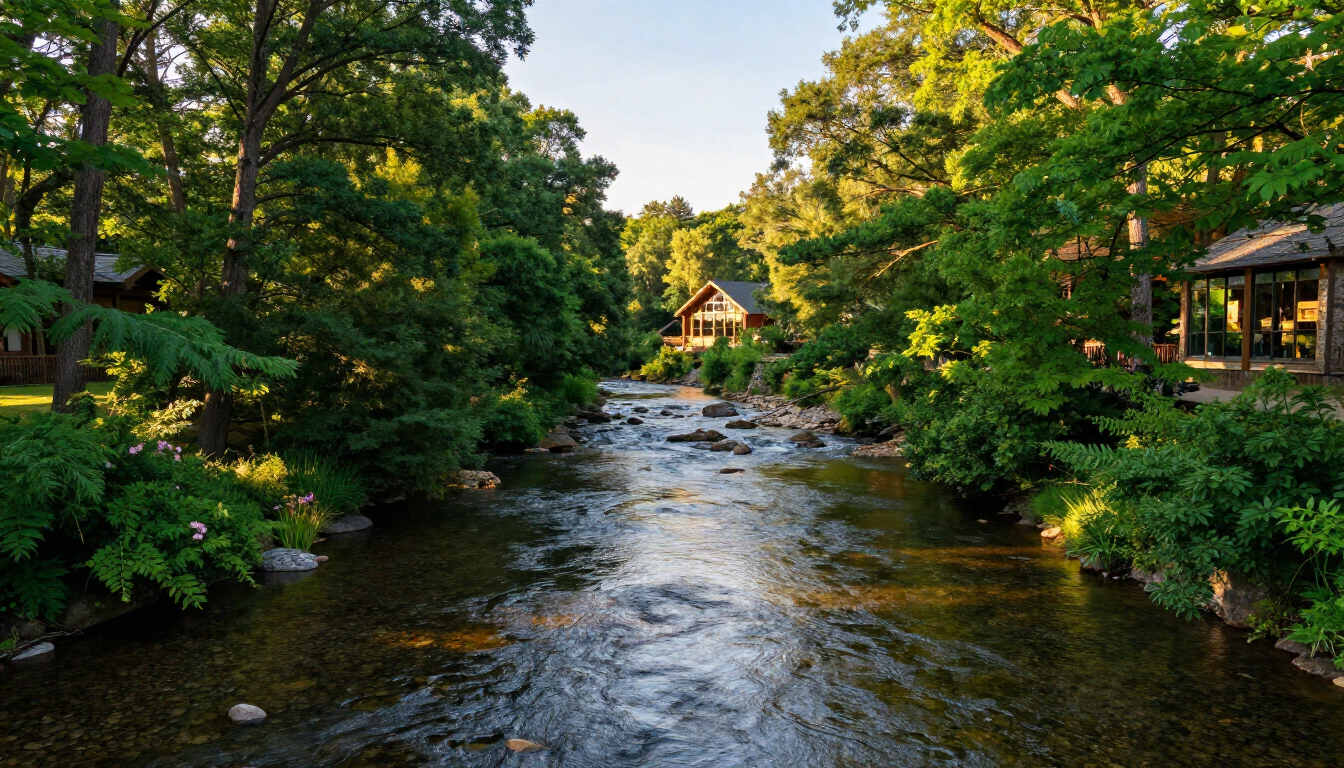
This is where a venue that publishes its packages earns a second look. The Farm at Rivers Edge in Dawsonville, for example, lists its elopement and micro wedding packages with pricing and guest counts on its site, so a couple can see which option fits before they ever book a tour. Ceremonies happen beside the river or at the waterfall, there are cottages on the property for the couple to get ready in, and the packages scale from a private ceremony for two up to an all-inclusive celebration.
Planner's Note: Bring one person whose opinion you trust and leave the committee at home. Five voices on a venue tour produce five favorites and no decision.
Week 4: Book the Venue and Build the Calendar Backward
Once you have a venue and a date, the rest of the timeline writes itself. Count back from the wedding and put these on the calendar.
Photographer next, because the good ones book as far out as venues do. Officiant after that, catering if the venue does not include it, and florist and music behind those. For a micro wedding or elopement, that list may be half as long, and several of those roles may already be covered by the venue's team.
Send save-the-dates once the venue is signed. For a small wedding you can skip them and go straight to invitations a couple of months out, since your guests are the people you talk to every week.
Set up one shared folder or note for contracts, deposits, and dates. Future you will be grateful in a way present you cannot imagine.
From the Farm: The couples who have the calmest planning season are the ones who booked the venue, the photographer, and the officiant within 60 days and then stopped making big decisions for a while. Everything else can wait for spring.
The Short Version
Celebrate. Agree on a guest count, a budget, and a season. Decide if you are planning an elopement, a micro wedding, or a traditional wedding. Tour three to five venues that publish their pricing and fit your answers. Book the venue, the photographer, and the officiant, and let the rest follow. Thirty days from the proposal, you will have the hard part done.
Frequently Asked Questions
What is the best time of year to start wedding planning in North Georgia?
Right after you get engaged, whatever the season. Fall and spring dates in the mountains book 12 to 18 months out, so a couple engaged in December who wants an October wedding should be touring venues by February. Couples open to a winter, summer, or weekday date have more flexibility and can often book much closer to the day.
Do we need a wedding planner for a small wedding?
Not always. Many micro wedding and elopement venues include a coordinator or an on-site team that handles the day's timeline, vendor arrivals, and setup. Ask what the venue covers before hiring a planner. If you are bringing in several outside vendors or hosting a larger traditional wedding, a planner or at least a day-of coordinator is worth the cost.